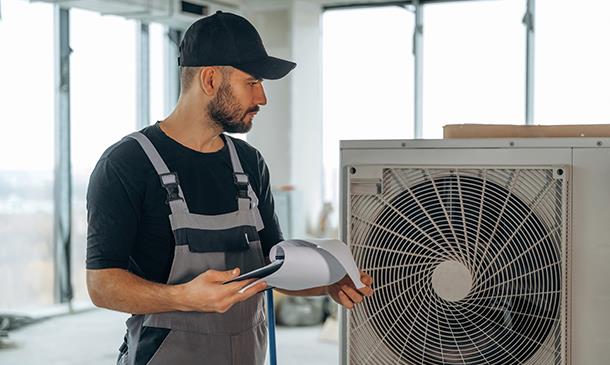
When your HVAC system starts acting up, the compressor is often at the center of the problem. It’s the part that keeps refrigerant moving, which means it plays a huge role in both heating and cooling. When it struggles, your entire system feels it. Most homeowners don’t think about the compressor until something goes wrong. Then suddenly the air isn’t as cold, the system runs longer, or it stops working altogether. That’s when hvac compressor repair becomes more than a good idea, it becomes necessary.
What Causes Compressor Problems
Compressors don’t usually fail out of nowhere. There’s almost always a buildup of stress that leads to the issue.
One common cause is overheating. If airflow is restricted or the system is running longer than it should, the compressor can overheat and start to break down internally. Electrical issues are another frequent culprit. Faulty wiring or worn components can prevent the compressor from starting or running properly.
Low refrigerant levels also play a big role. When refrigerant drops too low, the compressor has to work harder to maintain performance, which puts extra strain on the system. Over time, that strain adds up.
We’ve also seen cases where the original installation wasn’t done correctly. Improper sizing or poor setup can lead to long-term wear that eventually shows up as a compressor issue.
Signs Your Compressor Needs Attention
You don’t need to wait for a full system failure to know something’s off. The signs are usually there if you know what to look for.
Warm air coming from vents when the system is set to cool

Strange clicking or buzzing sounds from the outdoor unit

System struggles to turn on or
shuts off unexpectedly

Circuit breaker trips when the
system starts
Noticeable drop in cooling or
heating performance
These symptoms can show up gradually. At first, it might feel like the system is just having an off day. Then it becomes more consistent. That’s usually the window where hvac compressor repair can save you from a much bigger problem.
How We Approach Repairs
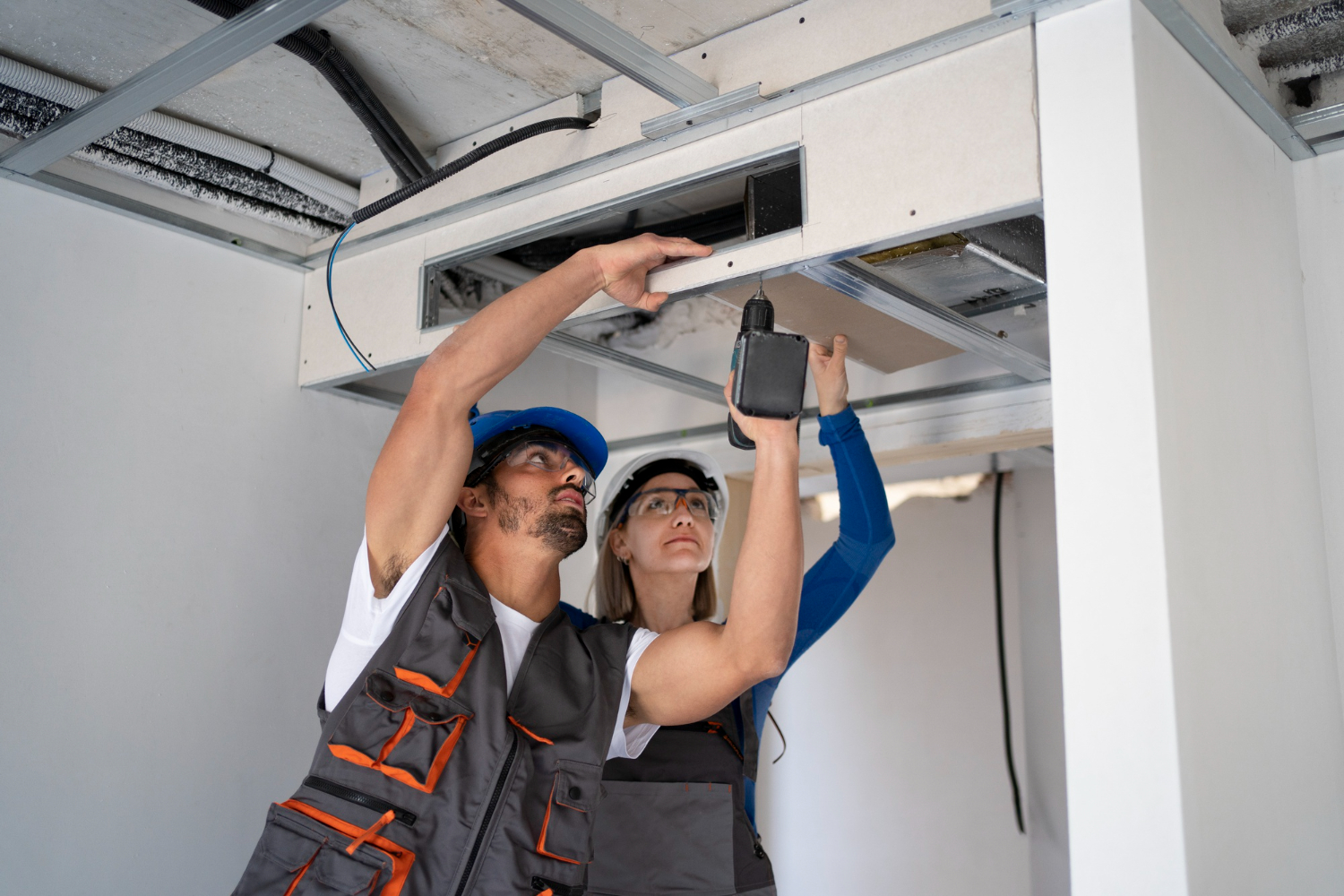
Every repair starts with a full system check. We look at electrical components, refrigerant levels, airflow, and how the system is cycling. The goal is to understand what led to the issue, not just what’s happening right now.
Once we pinpoint the cause, we walk through the options. Sometimes the fix is straightforward, like replacing a capacitor or correcting a refrigerant issue. Other times, it involves more in-depth work to restore proper operation.
The important part is making sure the repair actually solves the problem. A quick fix might get the system running again, but if the root cause isn’t addressed, the issue will come back.
When Repair Makes Sense
A lot of people hear “compressor problem” and assume the worst. That’s not always the case. In many situations, hvac compressor repair is enough to restore performance without needing a full system replacement.
If the compressor is still structurally sound and the issue is related to supporting components, repair is often the smarter move. It’s more cost-effective and gets your system back up and running faster.
Age does play a role. If the system is older and the compressor has experienced repeated issues, it may be time to look at replacement options. The key is evaluating the full picture rather than jumping to conclusions.
The Impact on Energy Bills
When a compressor isn’t working the way it should, your system has to compensate. That usually means longer run times and higher energy use.
You might notice your energy bill creeping up without a clear reason. That’s often one of the first signs something is off. A timely hvac compressor repair can bring those costs back down by restoring efficiency.
It’s one of those fixes that pays off quickly. Once the system isn’t overworking, it returns to a more normal operating pattern.
What Happens If You Wait Too Long
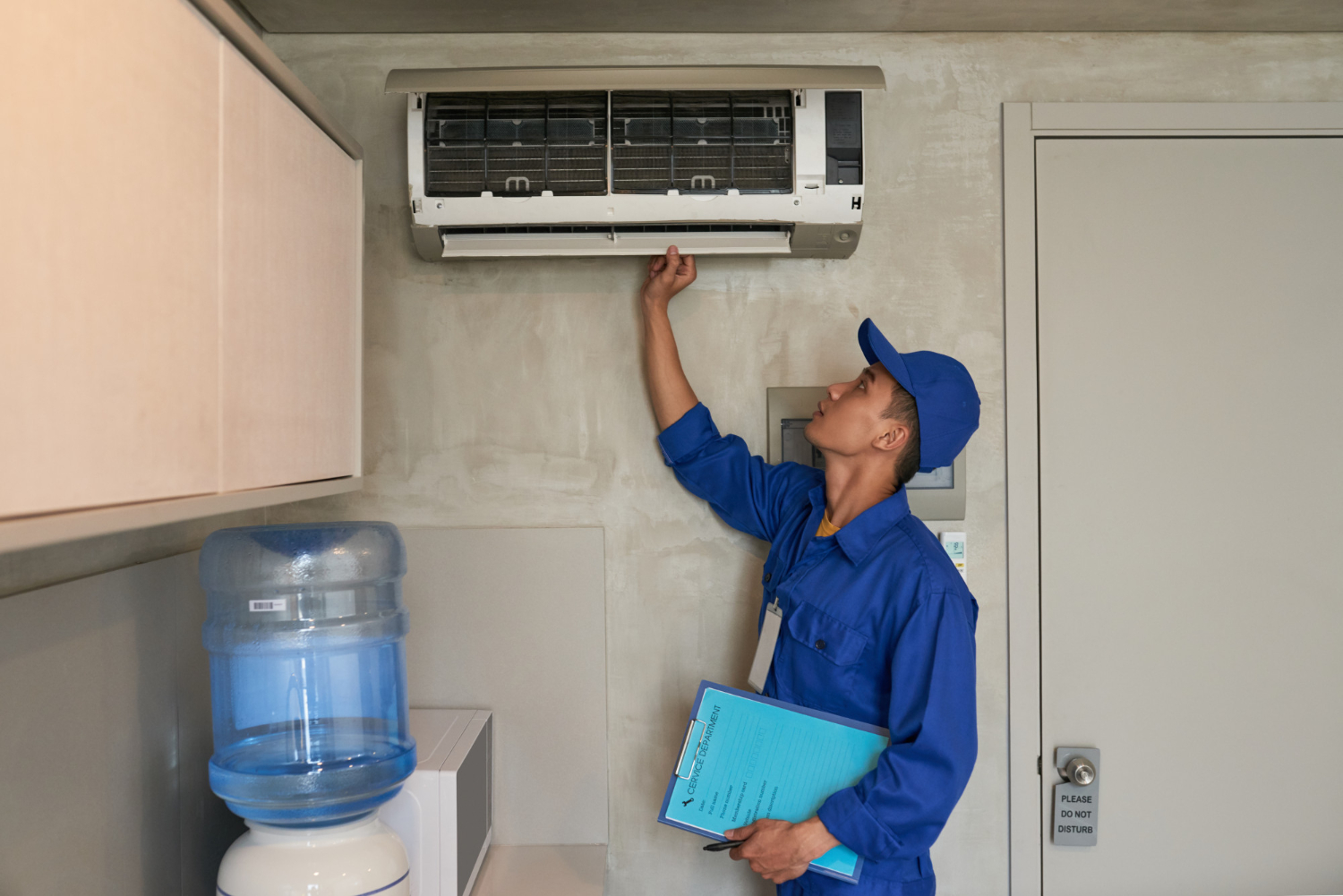
It’s easy to put off repairs, especially if the system is still running. The problem is that compressor issues tend to get worse over time.
A small electrical issue can turn into a burned-out component. Low refrigerant can lead to internal damage. What could have been a manageable repair turns into a much larger expense.
There’s also the comfort factor. No one wants to deal with a system that can’t keep up, especially during extreme temperatures. Addressing the issue early helps avoid that scenario.
A Repair That Actually Lasts
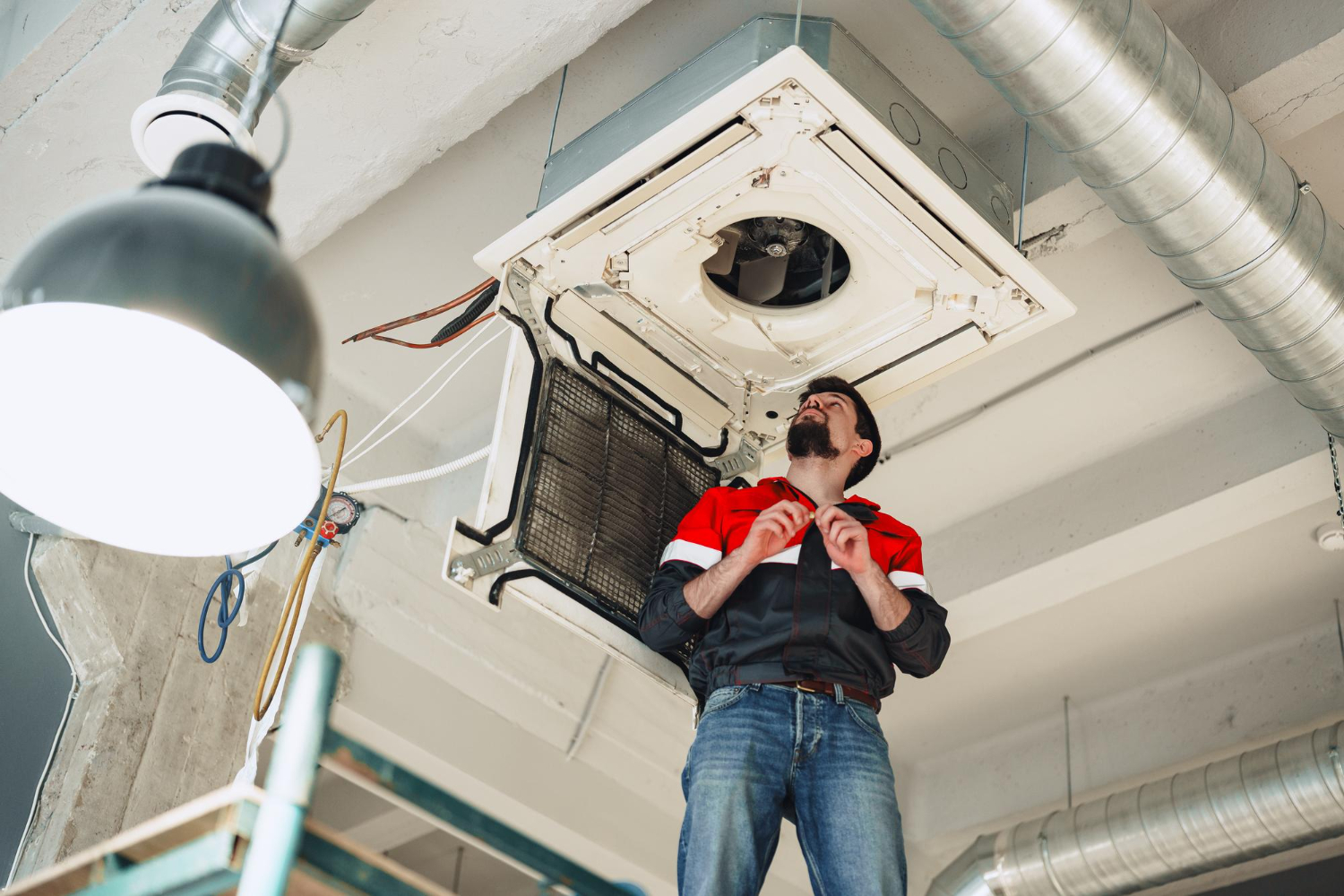
There’s a difference between getting a system running again and fixing it properly. HVAC systems are complex, and the compressor is one of the most important components.
When hvac compressor repair is handled with the right approach, the system returns to steady, reliable operation. No guessing, no temporary fixes, no wondering if it will break down again next week.
It’s about getting it right the first time so you can move on without worrying about it.
Your Comfort Shouldn’t Be a Question Mark
If your system isn’t keeping up, it’s trying to tell you something. Ignoring it rarely works out in your favor.