
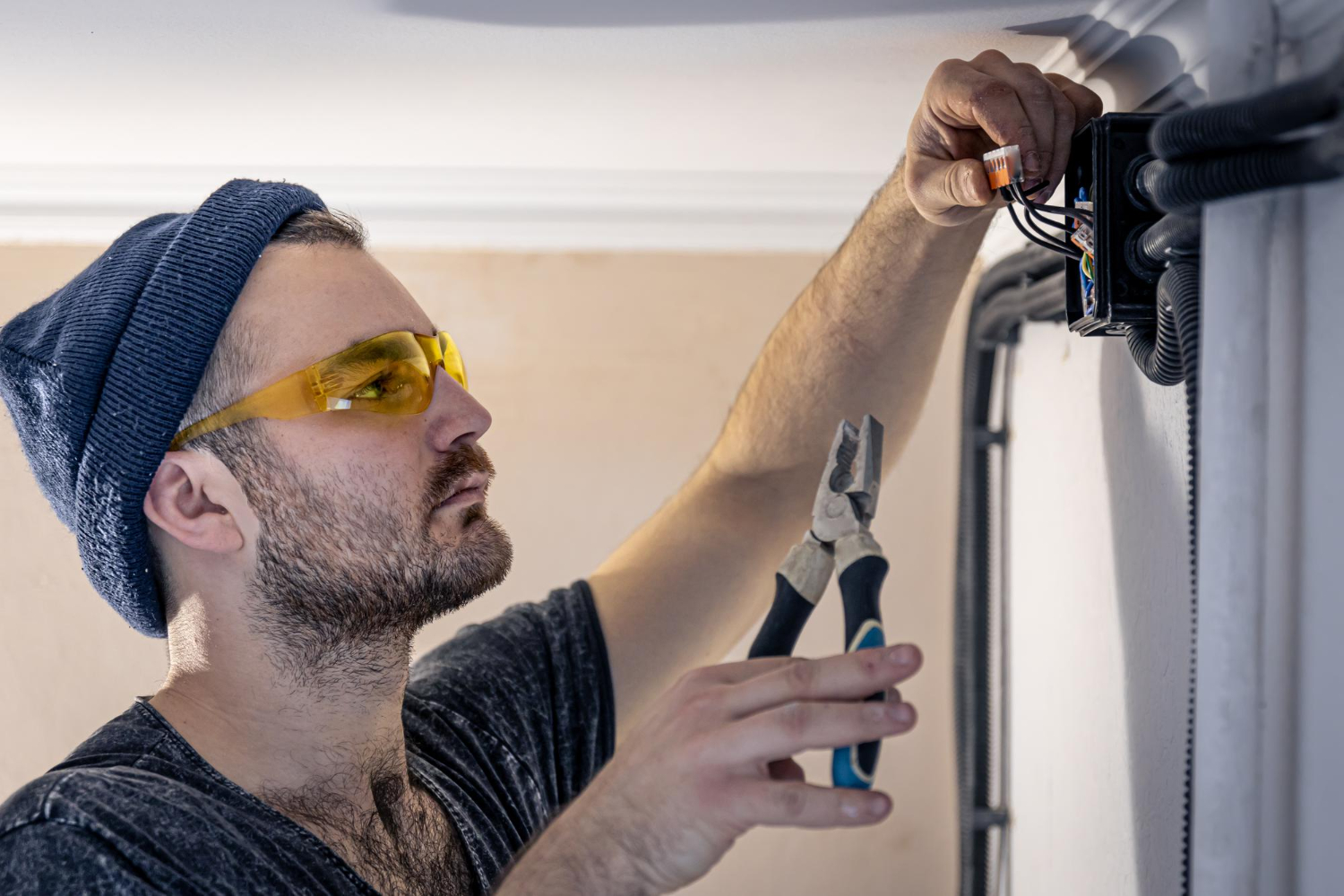
A geothermal system is one of the most reliable ways to heat and cool a home, but even the best systems run into issues over time. When something feels off, it usually shows up in small ways first. Maybe your home isn’t reaching the temperature you expect, or your energy bill quietly starts creeping up. That’s where the right geothermal HVAC repair service makes all the difference.
Geothermal HVAC Repair
Geothermal systems work differently than traditional HVAC equipment, and that matters when something goes wrong. Instead of burning fuel or relying entirely on outside air, these systems transfer heat through underground loops. It’s efficient, stable, and built to last, but it also means repairs require a deeper understanding of how all the components interact.
When we handle geothermal HVAC repair, we look beyond the obvious symptoms. A system that isn’t heating properly could be dealing with loop pressure issues, flow restrictions, or even sensor misreads. It’s not always a quick swap of a part. It takes a full picture approach to get things back on track.
Homeowners often notice changes before a system fully breaks down. You might hear the unit running longer than usual, or certain rooms feel slightly off compared to others. Those early signs are worth paying attention to, since catching them early can keep repair costs lower and avoid bigger headaches later.
Common Problems With Geothermal Systems
Not every issue means the system is failing. In many cases, it’s something small that’s been building over time. The key is knowing what to look for.
Here are a few of the most common issues we see during geothermal HVAC repair:
- Reduced heating or cooling output
- Unusual sounds coming from the heat pump
- Loop circulation problems
- Faulty thermostats or sensors
- Higher than normal energy usage
Sometimes it’s as simple as a clogged filter or a calibration issue. Other times, it’s something deeper in the system that needs attention. The tricky part is that geothermal systems don’t always give obvious warning signs, so performance changes tend to be gradual.
Signs You Should Schedule a Repair
Geothermal systems are known for consistency, so when something changes, it stands out. You don’t need a full breakdown to justify a service call.
If your system is acting differently than it did before, it’s worth having it checked out. A few things to watch for include:
Rooms that feel uneven in temperature
A system that runs longer than usual
Unexpected spikes in your utility bill
Strange noises or vibrations
Frequent on and off cycling
These aren’t things to ignore. Even if the system is still working, it may be working harder than it should. That extra strain can lead to more expensive repairs down the line.
The Repair Process
A proper geothermal HVAC repair starts with a detailed inspection. This isn’t a quick glance at the unit. It involves checking pressures, flow rates, electrical components, and system controls.
Once the issue is identified, the next step is fixing it in a way that restores overall performance, not just the immediate problem. That might involve replacing a component, adjusting system settings, or correcting an installation issue that’s been there from the start.
After the repair is complete, testing is just as important. The system needs to be verified under normal operating conditions to make sure everything is running the way it should. That final step often gets overlooked, but it’s what ensures the repair actually holds up.
How Repairs Impact Efficiency
One of the biggest benefits of geothermal systems is energy efficiency. When something is off, even slightly, that efficiency drops. You might not notice it right away, but over time it shows up in your monthly costs.
A well-timed geothermal HVAC repair can bring that efficiency back. Fixing a flow issue or recalibrating the system can reduce how long the unit needs to run, which directly impacts energy use. It’s one of those things where a small fix can lead to noticeable savings.
It also helps protect the lifespan of the system. When components aren’t under constant strain, they tend to last longer and perform more reliably.
Repair vs Replacement
This question comes up more often than you’d think. If a geothermal system is having issues, does it make sense to repair it or replace it?
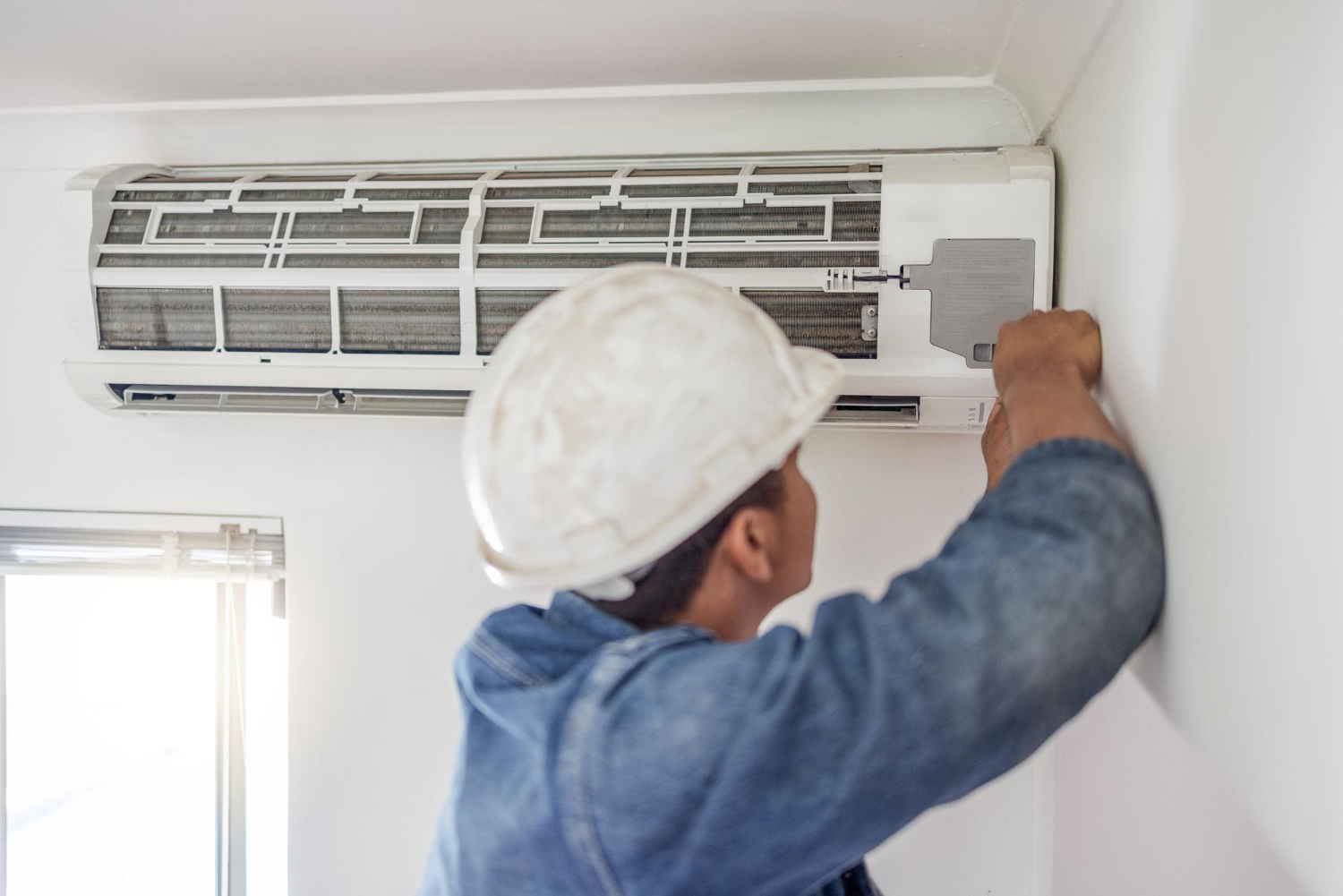
In most cases, repairs are the right move. These systems are built to last, often well beyond traditional HVAC equipment. A single issue doesn’t usually mean the entire system is failing.
That said, there are situations where replacement becomes part of the conversation. Older systems with repeated issues or major component failures may reach a point where repairs no longer make financial sense. The key is having an honest evaluation so you can make the right call for your home.
Why Homeowners Trust Professional Repair
There’s a certain peace of mind that comes from knowing your system is handled by someone who understands it. Geothermal HVAC repair isn’t guesswork. It’s a process that requires training, experience, and the right tools.
When repairs are done properly, the system fades back into the background, which is exactly what you want. No constant adjustments, no uneven temperatures, no wondering if something is about to go wrong.
It’s about restoring comfort in a way that feels effortless.
Get Your System Back on Track
If your system isn’t performing the way it should, it’s time to take a closer look. Ignoring the issue rarely makes it go away, and in most cases, it only leads to more expensive repairs later.
Let’s Fix It Before It Gets Worse
Give us a call today to schedule your geothermal HVAC repair and get your system running the way it should. We’ll take a close look, explain what’s going on, and get it handled so you can get back to a comfortable home.